

Two permissions sit in the same wallet. One is the DVLA photocard. The other is the taxi or private-hire driver's licence, the badge. A heart condition can move one of them and leave the other where it is. The minibus category printed on the same card is a third permission, with its own limits.
The car licence is the floor
In Scotland the badge sits on top of an ordinary car licence. Section 13 of the Civic Government (Scotland) Act 1982 requires a taxi driver's licence, or a private hire car driver's licence, for driving the vehicle or having charge of it. The same section lets the council, at any time, send an applicant or a badge holder to a doctor the council nominates, to satisfy itself that he is physically fit to do the job.
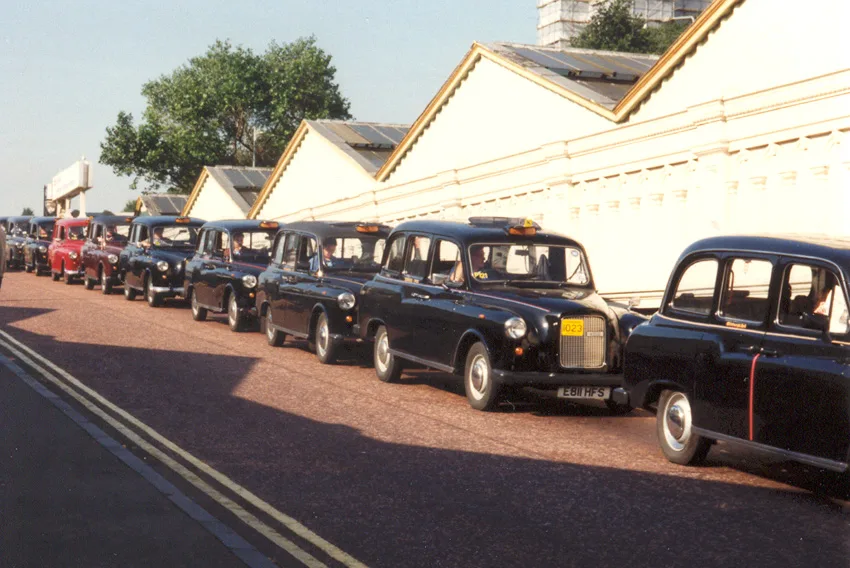
Glasgow's published minimum is to be medically fit to Group 2 standards, the same bar the DVLA sets for bus and lorry drivers. If Glasgow has a concern about fitness, it asks for that examination and pays for it. Aberdeenshire uses the same Group 2 bar, and says why. An occupational driver spends longer at the wheel, and is carrying the public.
DVLA's own guide for doctors draws the same line. Higher standards for taxi drivers, above the ordinary car licence, are a matter for Transport for London in the capital and for the local council everywhere else. The photocard and the badge are two permissions.
The guide also publishes the risk those two permissions are built on. DVLA treats a sudden disabling event as acceptable, for licensing, at a 20% likelihood in a year for a car or motorcycle, and at a 2% likelihood in a year for a bus or lorry. A condition that is quiet enough for the car can still be too likely for the badge. Tablets that keep the symptoms down are the start of that sum. The doctor's report is the rest of it. The November 2025 edition of Assessing fitness to drive is the text doctors are working from.
If the car licence itself goes, the badge goes with it. Section 13 says the taxi or private-hire driver's licence ceases when the holder is no longer allowed by law to drive that vehicle on a road. The council can take the badge while DVLA leaves the car. DVLA taking the car takes the badge as well.
A heart condition is a table of rows
"Controlled by medication" describes the treatment. The DVLA cardiovascular table then sorts the condition, and the rows do not all point the same way. The diagnosis decides which row applies. The council will ask for that row.
Angina is the clearest worked example. On a car licence you stop driving while symptoms come on at rest, with emotion, or at the wheel. Driving can resume once the symptoms are under control, and you need not tell DVLA. On the Group 2 standard you must tell DVLA. You must not drive while symptoms continue. A licence is refused or revoked if they carry on, treated or untreated. Relicensing needs at least six weeks clear of angina, and the functional test set out in the guide.
Heart failure is graded by how much ordinary effort costs, and by the left ventricular ejection fraction, the share of blood the left ventricle pumps with each beat. Group 2 driving can be considered in the milder classes where that fraction is at least 40% and the symptoms are stable, and DVLA has to be told. DVLA bars Group 2 below 40%. An implantable cardioverter defibrillator is a permanent bar to Group 2, and so is a defibrillator that was recommended and never put in.
Blood pressure has its own line. A Group 2 driver must stop, and must tell DVLA, if the resting pressure is consistently 180 mmHg or higher systolic, or 100 mmHg or more diastolic, or both. The driver-facing page is High blood pressure and driving. Ordinary high blood pressure does not have to be reported on a car licence. Malignant hypertension is the car-licence exception: a reading at 180 systolic or 110 diastolic, together with progressive organ damage, means stop until it is controlled.
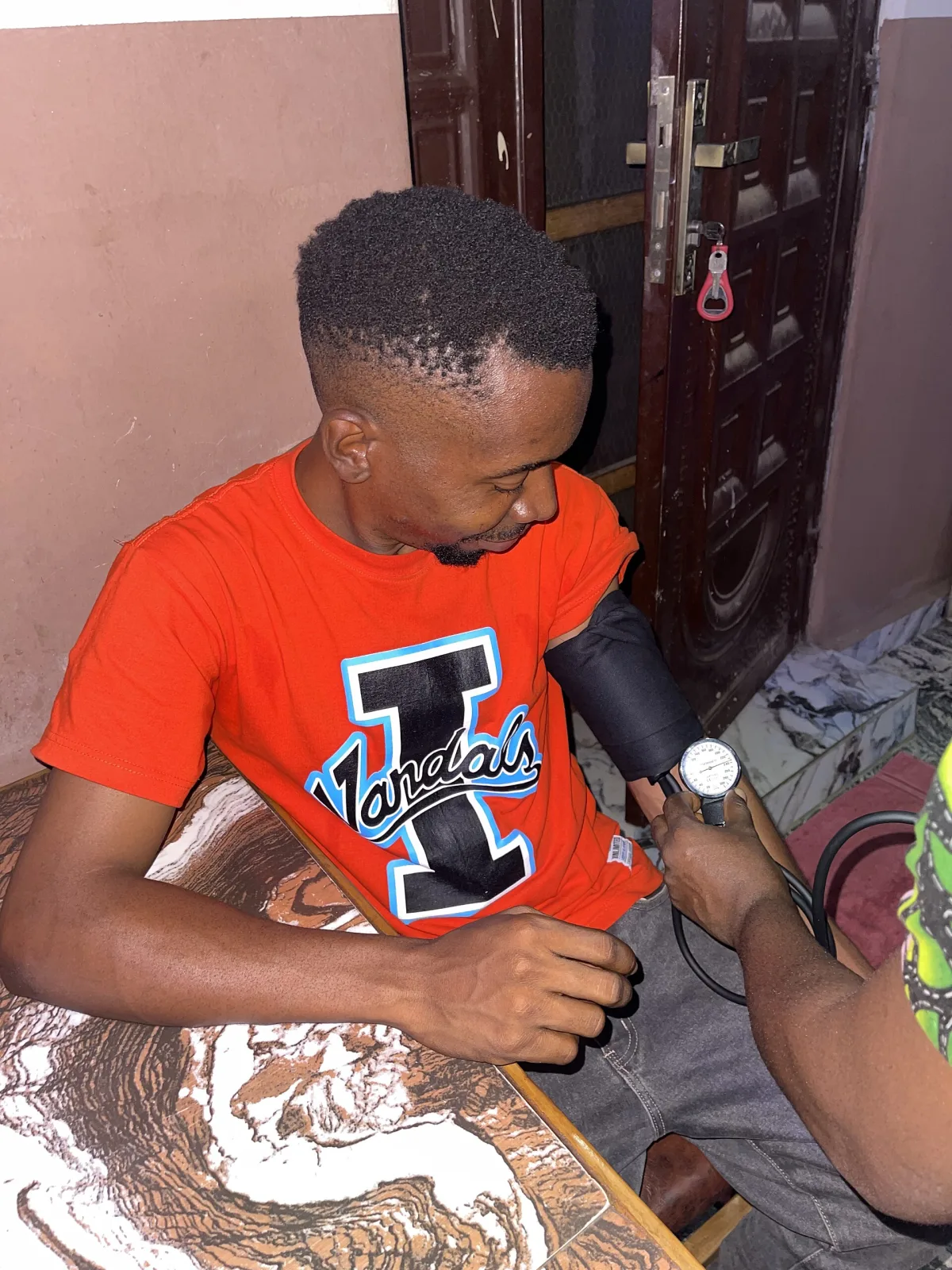
Back on Group 2, the licence can return once the pressure is controlled, provided the treatment itself does not affect safe driving. Tablets that sort the reading and leave the driver dizzy are still a Group 2 problem. That is the sense in waiting for a doctor's report. "On medication" is the question the report is there to answer.
The minibus is a different permission
A minibus is built for up to 16 passenger seats. The ordinary car licence a taxi is usually driven on stops at eight. The permission to drive the larger vehicle is narrower than that headcount.
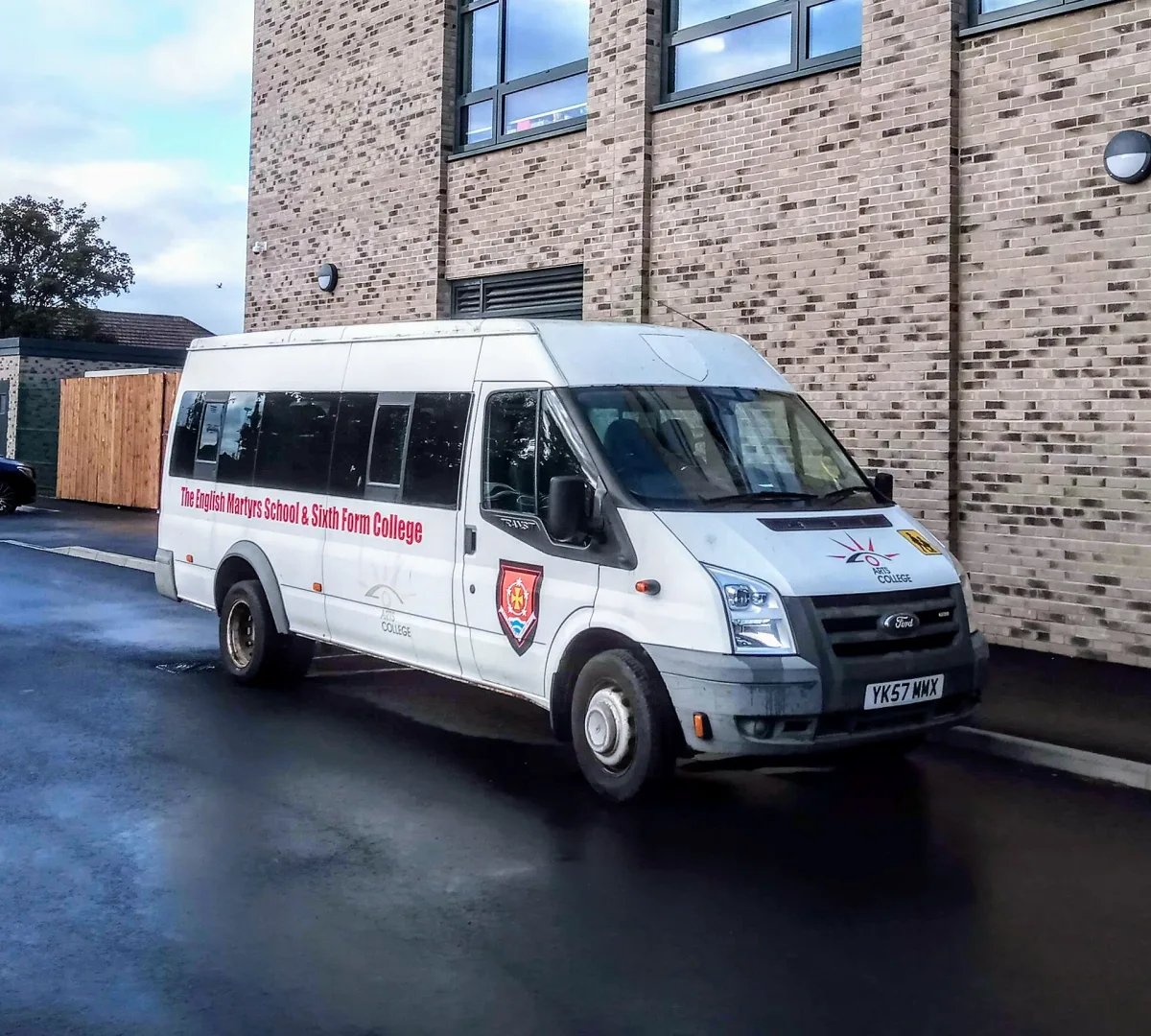
Pass a car test before 1 January 1997 and the licence usually carries category D1 with restriction code 101. Code 101 means not for hire or reward. Government advice to schools sets it out in plain words: that pre-1997 entitlement is D1 (101), not for hire or reward. It covers a school, a club, a voluntary trip. It is a bar on taking paying passengers. It is also short of a Group 2 medical clearance.
Pass after that date and a car licence can still cover some minibus driving inside the UK. Driving a minibus sets the conditions. The driver is 21 or over, has held a car licence for at least two years, is unpaid, and is driving for a non-commercial body for social purposes. The vehicle stays within the weight limit and does not tow a trailer. Over 70, that voluntary minibus needs the Group 2 medical standards.
Paid minibus work is a passenger-carrying vehicle licence. That licence is Group 2. The same heart table applies, and DVLA is the body applying it.
That combination can be true and still sit inside the rules. DVLA leaves the car. An old D1 with code 101 leaves a minibus that must not be used for hire. The council, applying Group 2 to a taxi or private-hire badge, holds the badge until a doctor says that standard is met. The tighter standard is the one that applies when a passenger is paying.
A year off after a TIA
A transient ischaemic attack, a mini-stroke, shows the same split in one number. After a stroke or a TIA, a bus or lorry licence is refused or revoked for one year. It can be looked at again if there is no residual impairment likely to affect safe driving, and no other significant risk factor. Some cases also need a heart test. On a car licence the stop is one month, and DVLA need not be told if recovery is clean. The two pages are neurological disorders for the doctor and TIA or mini-stroke and driving for the driver. A specialist letter sits beside that table. The Group 2 year still has to run before relicensing is considered.
West Lothian publishes the licensing version of the same wait. A failed driver medical is a suspension until the driver is certified fit. Failing to attend the medical is treated the same way. The 1982 Act lets the council require the medical. Where West Lothian records a failed or missed medical, the published result is that suspension until a doctor certifies the driver fit.
The court is the sheriff
A challenge to the council's decision goes to the sheriff, as a summary application lodged with the sheriff clerk within 28 days of the decision. Schedule 1, paragraph 18 says so. The sheriff can hear a late appeal if good cause is shown. The 28 days run from the decision, including where a statement of reasons has been asked for. Glasgow tells a refused applicant to request those reasons within 21 days, and that the appeal goes to the sheriff. The statutory days still start at the decision.
The sheriff upholds an appeal only where the council erred in law, relied on an incorrect material fact, acted contrary to natural justice, or exercised its discretion unreasonably. He can hear evidence. If he upholds the appeal he can send the case back to the council, or reverse or modify the decision. A further appeal, on a point of law, goes to the Court of Session within 28 days of the sheriff's decision.
West Lothian records the other half of that clock. The committee can order a suspension to take effect immediately. Otherwise a driver who appeals within 28 days keeps the licence until the appeal is decided. A medical suspension can be either kind. The letter is the document that says which, and the 28 days are counted from the decision on it.
If the letter has your name on it
Read it for two things: the date of the decision, and whether the suspension is immediate. The doctor's report is what the badge is waiting on. The sheriff clerk is what the 28 days are for. Waiting for the doctor's report leaves that 28-day count running.
Tell the council, in writing, what the specialist has actually said, and keep a copy. Tell DVLA as well where the car-licence row says you must. Angina that is still coming on at the wheel, a Group 2 blood-pressure reading, a TIA: each has its own form and its own stop. Ordinary controlled blood pressure on a car licence is not one of those notifications.
Leave the badge parked for as long as it is suspended. The hiring needs the taxi or private-hire driver's licence as well as the car licence. Section 13 requires that licence for driving the vehicle or having charge of it.
Read the minibus codes on the photocard the same way. Code 101 is a minibus for a journey that is not for hire or reward. A voluntary run for a club sits under the conditions on the minibus page, and over 70 it needs a Group 2 medical of its own. A taxi hiring is hire or reward. For that, the licence in force has to be the one the council has passed as Group 2, or a passenger-carrying vehicle entitlement that DVLA has passed on the same standard.